Monday, February 9, 2015

Valentines Day 2015: For The DIY Romantic In Us all


Valentines Day: the widely celebrated day of love.  Though well known for it's romanticism, it is difficult to say just where this holiday began. The Catholic Church recognizes at least three St. Valentines (or Valentinus) all of whom were martyred.

Some say Valentine was a priest during the 3rd century A.D in Rome. When Emperor Claudius ll
decided that soldiers were better at preforming their duties without a wife and family waiting for his return, he outlawed marriages for young men of "soldiering age".  It is said that this particular St. Valentine, realizing the injustice of the Emperors decision continued to marry young lovers in secret. When the Emperor found out what Valentine had been doing behind his royal back, he was tried for treason and sentenced to death.

The oldest known Valentine is a poem written by Charles, Duke of Orleans in 1415.  This poem was written to his wife while he was imprisoned in the Tower of London following his capture at the Battle of Agincourt.  So for 600 years Valentines Day, celebrated Feb. 14 has been a time for romance and sharing of love.

DIY VALENTINES ROMANCE:

Think of this: She (the lucky lady) comes home to a meal cooked by the one she loves. Flowers on the table and a candle burning low, places set for 2 (or more if you have children ;)
After dinner and the children are tucked into bed, you lead her up to the bathroom where a warm milk bath is already drawn.  She gets in and is greeted by another glass of wine, and strawberries dipped in chocolate, made by your hands.  This could be the start of a very special evening...

So now you say... how the heck can I make THIS happen??? Read on my friend!

Rose Milk Bath: DIY Romance

2 Cups Milk (liquid or powdered milk, both work equally as well)
2-3 Cups home made rose water: (simply steep rose petals like tea strain and add fragrant water to 
       bath.
1/2 Cup honey (helps cleanse the skin).
1/2 Cup Epsom Salts (to continue the relaxation and skin cleansing)
*add a few extra rose petals strait into the bath water for visual and romantic appeal


How Could You NOT Fall in Love All Over Again?
Hand Dipped Chocolate Covered Strawberries:

1 lb strawberries
16 oz dark chocolate
2 tbs shortening
piece of styrofoam and tooth picks

Directions:
-In a double broiler (or a container inside a large pot {pot 1/2 filled with water}) add the chocolate
and the shortening, allow these to melt together and stir
-place a tooth pick in the end of the strawberry with the green
-dip and swirl the strawberry into the melted chocolate and shortening
-place the tooth pick into the styrofoam (with the berry speared on top) to cool and dry

VIOLA~ 

From all of us at Recherch'e Organics
Enjoy this day of love!


Monday, January 19, 2015

Mango Butter: Your Skin is HUNGRY for it!

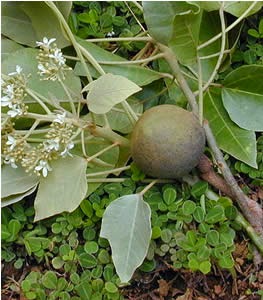
Mangifera indica
Native to South and Southeast Asia, the mango tree and it's delectable fruit has come to be cultivated almost world wide in frost free zones and known far beyond those reaches as an exotic and nutrient rich food. This long living tree has been known to reach ages of 300+ years and produce thousands of individual fruits each year of it's life!


Though the fruit is well know and well loved, the semi solid oil or "butter" cultivated from the mango seed is much less well known.   For hundreds if not thousands of years this butter has been used by the native people of the tropics.  It is prized for it's skin softening and soothing properties, the ability to rejuvenate sun and weather damaged skin as well as tackle skin issues such as rashes, eczema, psoriasis and dermatitis.  Yet this butter is so gentle in nature that it is also the perfect solution for babies skin. It remains semi- solid until about 95 degrees Fahrenheit, then becomes a liquid.

Unadulterated Mango Butter
What is it you ask, that makes this butter such a prize among plant based oils and butters?
It contains stearic, oleic, and linoleic acids (unsaturated omega 6 fatty acid), each of these acids are hungrily eaten up by our skin. And also contains vitamin A, copious amounts of vitamin E, C and D, multiple B vitamins, folic acid, calcium, iron and magnesium! It helps the dermal layers maintain hydration and reduces the visibility of fine lines and wrinkles while helping to restore elasticity and tensile strength of skin.

Science has shown us that vitamins A and C have a direct influence on the growth, strength, and structure of our hair.  As well as combating and reducing free radical effects and other daily toxins that come into contact with our skin.

Mango butter also is touted to have a natural SPF of about 4-6. Though not advised here to use as a replacement for sun screen it does have the ability to protect skin and hair from damaging UV rays and in the aftermath of sun burn soothes and nourishes the sensitive skin.

Traditional Extraction of Oil


Traditional harvesting begins with the collecting of the mango's in their peak of ripeness. Once collected the fruit is pealed away leaving only the "stone" or seed of the mango. These are washed with water and the seeds are left out to sun dry, reducing the moisture content to 12-15%. The dried seed stone is then roasted in a drum roaster and the hull is removed manually by beating with wooden clubs. The separated kernels are crushed into small pieces and placed in hot water so the fat's float to the top where they are scraped off and collected as "butter".  There are more modern practices also used today involving hexane and solvent extraction and mechanical instead of hand powered processes. 

 *It is always advised to know where your product comes from and decide for your self if solvent extraction oils are something that you want to use for your skin. 


DIY Hair Tonic: 

Take mango butter 1 time per month using a liberal amount coat your hair from scalp to the end of each strand. 
Brush through alleviating all the tangles and wrap in a warm moist towel for 20 minutes prior to showering
Rinse out and shampoo and condition as normal. 

Let us know HOW this works for you! Do you notice a difference? 

From us at Recherch'e Organics to you!
Enjoy


Tuesday, November 25, 2014

Relish that Cranberry (for skin health)!

Vaccinium oxycoccos: Cranberry
Cranberries, a fruit that we think of only (or particularly) around the holiday season.  We think relish, cranberry sauce, cranberry scones, but rarely do we think, "Oh those lovely red fruits that are so healthy for us (and our skin)!" Native to northern North American and Southern Canada, these low lying, evergreen shrubs have been a staple for the indigenous people of this area for thousands of years.

Since it IS the season, the glory days of these shiny red fruits, let's delve in a little deeper and glean an understanding as to the health benefits that they tout. When talking about the "big gun's" of cranberries we are mainly talking about it's staggering amounts of vitamin C. Vitamin C is an anti-oxidant that helps your body (and skin) fight off free radicals.  Free radicals are a major cause of premature aging for our skin.  Also vitamin C helps reduce inflammation making it great for people who suffer from acnea, eczema, psoriasis and other itchy, red, signs of irritated skin.


Let's look at some of the other special qualities that cranberries have:

*Perfect ratio of omega 3, 6, and 9 fatty acids: meaning not only is our skin very willing to
   accept this oil as wonderful hydration, it also helps as a catalyst to bring other nutrients into our
   skin with ease.
*Anti-yeast and anti-fungal properties: great for a skin and scalp wash. Helps alleviate dandruff, itchy
   scalp and dull, limp, lifeless hair.
*High in tocotrienols and tocopherols: (vitamin E) another very powerful antioxidant, power fighter
   of free radical invasion to the largest organ in our body system (our skin).
*Vitamin C (already mentioned) is needed in the formation of hydroxyproline and hydroxylisine
   and other amino acids required to produce collagen. Collagen is what makes our skin, firm, healthy
   and wrinkle free.  This is what young vibrant skin has that aging skin lacks.
Cranberries, Seeds, and Oil
Now that we know what is in this potent holiday fruit,  how do we reap the benefits of cranberries?  There are a couple of different way to do this depending on what you are looking for. Drinking 1 ounce of pure (no sugar added) cranberry juice daily is said to have wonderful results for your body both internally and externally.  If you would like to target the skin however it is also recommended to either use the pulp of fresh berries (blended into a puree) and made into a masque, freshly juiced and applied to skin and hair, or in the form of cranberry seed oil.  The oil is deeply penetrating (due to the ratio of fatty acids mentioned above), where use of the actual berry is not only fun and festive but also gives antioxidants that the seed oil does not.


DIY CRANBERRY POWER MASQUE: 
1 tsp plain yogurt
1 tbs raw honey
1/4 c. cranberries
cranberry juice (no sugar added) to moisten as needed

take cranberries and put into blender and liquify. add raw honey and yogurt and continue to blend until a paste is made.  If liquid is needed cranberry juice is a great option, another option would be to add milk (as milk has many beneficial properties to skin as a cleanser as well)

Other add ins: 
Gelatin: add a few pinches of non flavored gelatin to very small amount of warmed milk or water. 
              gelatin will help loosen and slough off old, wary cells. great addition for non vegans to this
              masque. 
Clay: any of your favorite clays (french green, kaolin, etc) 1/4 tsp.

As always we would love to hear from you! Do you have product with cranberries in it? Let us know some of your favorites.  Happy Thanksgiving, give thanks and praise. 

Until next time, 
From us to You. 


Tuesday, November 11, 2014

What is Kukui Nut Oil?

Aleurites moluccans
Kukui; a stately tree, with origins in Asia, was introduced to Hawaii's fertile soil by sea faring polynesians hundreds of years ago.  Historically speaking, Kukui trees quickly became invaluable to the natives of Hawaii and revered by the islands chieftans known as the Ali'I.  The Ali'I wore leis of highly polished Kukui nuts showing their spiritual and social status. The oil rendered from the nuts of this tree (Kukui Nut Oil) was used to waterproof the boats and canoes of these sea faring peoples.  In the late 1800's this oil also became highly reviered in a "surf building ritual" and would be used to oil down the surf boards prior to putting them into the water.  But the Pacific Islanders also loved this oil for it's benefits for the skin, hair, and body. It was consider the oil of choice by the Ali'I , who were massaged, sometimes for hours at a time, with Kukui nut oil.
Kukui Nut


This oil in recent years has begun to make a name for it's self outside of the Hawaiian Island chain. Kukui nut oil is used to moisturize and protect the skin from the external environment. Sun, saltwater,  and wind are no match for the moisturizing ability of this fine oil.  It works great in reducing the inflammation of sun burn as well as other types of burns.  Currently Kukui nut oil is being tested in Hawaiian hospitals to see how well it helps reduce to symptoms related to radiation and chemo burns.

This oil is known for leaving the skin soft and supple.  By nature it is non greasy making application easy and mess free. It contains skin protecting vitamins such as A, C, and E who's antioxidant properties are known to help fight free radicles.  Also containing essential fatty acids (EFA's) linoleic and linolenic acids. Essential fatty acids keep the skin looking youthful.  Young skin is full of plump water filled cells.  As we age our skin looses it's ability to retain water causing sagging, dull, and "crepe" skin.  A healthy skin cell has a healthy membrane, keeping the good things such as water and nutrients in and allowing the cell waste to leave the cell.  And low and behold essential fatty acids are what make for a healthy cell membrane, hence a healthy, vibrant skin cell.
Kukui Nut Oil

Dried Kukui Nuts
 Uses of Kukui Nut Oil:
*Hair and Scalp treatments
*Babies Skin
*Reducing Dry Skin
*Reducing Dandruff
*Minor Burns, Cuts, Wounds
*Exposure to elements
*Radiation/Cheomo burns


This oil needs to be expeller pressed at cool temperatures to maintain the quality and health giving properties.  As always make certain the the oils you choose come from reputable sources.

We would love to hear about your experience with Kukui Nut Oil!  Please like, comment, and share to insure that we are able to keep presenting you with quality information.

Thank you and until next time,
Recherche Organics

Wednesday, October 29, 2014

Pumpkin Mania...eerily good for your skin!

Cucurbita maxima
Fall is in the air and pumpkins are abound!! Seen on nearly every door stoop and in every supermarket, growing on many acres of farm land all to satiate our affinity for these fine berries.
Yes, you read right!  Often thought of as a fruit, sometimes as a vegetable, but in truth these fine orange specimens are berries.  Another little known fact of pumpkins is: they are chalked full of skin purifying nutrients and vitamins!!!


Pumpkins are packed with antioxidants, natural enzymes, iron, zinc, phytonutrients and vitamins such as vitamin A, C,  and K.  The fruit enzymes and alpha hydroxy acids (AHAs) increase cell turn over and rejuvenation.  These work as natural exfoliants ridding the body of dead and dying cells, bringing the new layers of healthy skin to the surface.  Thus helping to maintain bright, beautiful, and smooth skin complexion.   Vitamin A and C work together to increase the bodies ability to produce collagen (the wonderful substance that helps keep our skin tight, smooth and hydrated).  The zinc found in pumpkins works like a dream for acne sufferers.  Zinc assists in hormonal balancing and as well as sebum (skin oil) production. Helping the body find a natural balance between too much and too little oil production.

Pumkin is gentile enough for all skin types.  Though not though of as a "go to" in the beauty industry, this time of year I can not help but think about all of the wonderful nutrients (in big, round, orange, berry form) just sitting out on peoples door steps.


DIY Pumpkin Beauty (it's a Cinderella tale...)

1: 1 tablespoon cooked pumpkin puree (organic canned pumpkin will also do)
2: 1 tsp raw honey 

Mix ingredients together, apply a thin layer to the face allowing 10-15 minutes to do it's magic, then rinse with warm water. 

*If you are prone to acne add 1 tsp of apple cider vinegar to the mix and follow above mentioned directions. 

As always we would love to hear from you! Are you a pumpkin lover, wondering what to do with that pumpkin after the holidays? Let us know, post us photos. Happy holidays.  

Thank you and until we meet again. Tata
Recherch'e Organics


Wednesday, October 22, 2014

75 Years of Tips and Tricks of the Beauty Industry 1875-1950

This week are changing it up a bit, doing something that we have never done before! Recherch'e Organics is paying tribute to all of the tip's and tricks of the Beauty Industry, and the lengths women of past eras have gone to "maintain" or "create" natural beauty!  Within the Victorian society it was considered a woman's duty to make herself pleasant to look upon. Women have, and still do, go to great lengths to find that "elixir of youth and beauty".  Below are many examples as to the lengths women have gone to make themselves appealing to and fit societal desires.


"Upon the impression you constantly make rests the failure or success of your life". Touted M. Trilety  creator of the "nose shaper! This item was popular by both men and women from the late 1800's through the early 1920's!

The Electric Massage Roller, an "all in one" machine!  This was a woman's best friend, helping reduce wrinkles,  rid the face of blemishes, built muscle, and could even "take a pound a day" off of the owner of this fine gadget. 


The "Curves of Youth" Offending Chin Reducer... name says it all for this machine. A $10.00 investment (in the late 1800's) and you too can forever have the jaw line and neck line of youth...


Dimples have been the envy of many a woman who's face is not endowed with such a mark of beauty.  This contraption was touted to give any and all dimples precisely where they were wanted. 


Giving your self spankings on "fleshy" places, body over, was said to reduce cellulite and take away extra and unwanted poundage.  This little bit of advice was given clear into the 1950's as a plausible way to get the figure "any woman" would want!


These add's attest to the lengths women have sought, for ages,  grasping for a beauty not their own.  My hopes here is that the absurdity of each of these clips shed a little light on the beauty we each DO have!  Maybe you were able to laugh a little, maybe you felt a little heart broken and weary after reading the lengths that women have been "made" to go, and also it is very possible to just shrug it off as the craziness of by gone eras. What ever your response andopinion is of these photo's and advertisements may be, hopefully it will help you look on your own beauty regiment with a little more clarity, from a more objective stand point.

Until Next Time,
Recherch'e Organics

Friday, October 10, 2014

Which Witch Hazel is Which?

Hamamelis virginiana
Witch Hazel, Hamamelidaceae, is often seen as a yellow flowering shrub or more rarely as a small standing tree. Etymologically the name is believed to stem from the Middle English word wiche and reaching further back to Old English wice, meaning "bendable or pliant". Occasionally this plant is referred to as "winter bloom" for it's odd nature of blooming throughout the fall and winter months.

Witch Hazel Distillation
Historically,  Witch Hazel was taken as a tea or in a bath.  However during the 1800's herbalist began distilling this plant thus began the path to the Witch Hazel product of today.  The clear liquid Witch Hazel with which we are most familiar, is made by distilling the bark, twigs, and leaves of the Hamamelis virginiana a species found in North America. During the distillation process anywhere from 15-30% alcohol is added to the liquid content.

Witch Hazel Leaf


The main component in Witch Hazel is  tannins. Tannins are a naturally occurring polyphenol that many plants make as a way to protect them selves from predation.  Even if we don't know what tannins are directly, most all of us have experienced them in our wine, and under ripe fruit.  It is the substance that makes the "dry and puckery" feeling in our mouths. This is called astringency.


Witch Hazel Flower
Witch Hazel "Fruit"
Witch Hazel is almost exclusively used externally.  It is considered a strong anti-oxidant and astringent.  Often used for skin conditions such as eczema, psoriasis, hemorrhoids, varicose veins, treating insect bites and poison ivy rashes, as well as to reduce swelling and ease minor wounds.
Now why would it work on such an array of issues? For one, Witch Hazel works wonders on fighting bacterial attacks.  The tannins which we spoke of earlier, once applied to the skin shrink the pores basically sequestering our  internal bodies from external agents.  In all making our skin even better at doing the job of keeping the outside world out of our bodies. Another property of Witch Hazel is its proanthocyanins, catechin and flavonoids. These little beauties are what give this plant it's cell protective antioxidant and anti-inflammatory qualities.  This means if any bacteria has been trapped under the skin once the pores have been closed off, it is also the job of Witch Hazel to destroy the "invaders".
After Shave
The beauty behind this plant, continues on.  As mentioned earlier Witch Hazel shrinks pore size and thus tightens and tones the skins appearance.  It is a common ingredient in aftershaves for men. It has been found that using Witch Hazel (the less alcohol content the better for all Witch Hazels) on a cotton pad and going over the surface of the face works wonders for people with oily skin as well as for people who sweat profusely from their faces!  It has also been used by many as an acne treatment that doesn't dry out the skin.  So many benefits from a commonly known substance. As always it is important to get your products from a reputable source and be sure in reading the labels all that you are purchasing is Witch Hazel distillation and 15% or so of alcohol by volume.  

I hope you have enjoyed the read, please as always comments and questions are wanted and welcome.  Have you had a particularly great experience using Witch Hazel? We would love to know. 

Warm Regards, 
Recherch'e Organics

Monday, September 29, 2014

Crazy about Kombucha! The Beauty Behind it's External Use.

Kombucha: Fermented Tea

 Kombucha:
Many of us have become familiar with this probiotic rich drink over the last 2 decades (introduced into mainstream America in the early 1990's) but did you know that this sweet fermented tea has been around in different parts of the world for at least 2,000 years? There is record of it's uses and benefits in China (Qin Dynasty) dating back to 220 BC!  Early records indicate it's traveling to Japan and Russia early on as well and then continuing it's spread through out many cultures.

This "elixir of health" as it has been referred to world over, has a naturally effervescent (bubbly carbonation), and known for its probiotics, antioxidants, and B vitamins, and almost too many to name bacterial acids (yes this is good for you and your skin).

Kombucha Scoby
 This strange membranous thing pictured above is called a kombucha scoby.  It is a cellulose membrane that forms with all the health giving bacterias colonizing on it. This is what turns your tea from regular a sweet tea to a fermented and health giving "liquid gold".

So how can this fermented tea be of external use for our health and beauty regime?  Many people who love kombucha begin home brewing, caring for their  scoby, and making their own delicious concoctions. Sometimes by accident (or purposefully) we let a batch sit just a little too long, turning into a vinegar like drink instead.  Many people prefer the stage right before the kombucha turns to a vinegar for drinking purposes.  Here are some wonderful reasons WHY  to let a batch or two every once in a while sit a little too long...


Facial Toner:
Kombucha, just like regular vinegar, helps to balance the pH of your skin.  But unlike normal apple cider or white vinegar it also has many different acids and healthy bacteria to help fight bacterial imbalances that come with conditions such as acne.  Kombucha also gently tightens, firms, and tones the skin that it is applied to.  It has been seen to over time reduce dark spots and color imbalances fro the face and neck as well.  Application with a cotton pad followed by a cool water rinse, or kombucha added to a small amount of other facial ingredients (aloe water, hydrofoils, etc.) and spray misted on to the skin are both great ways to incorporate this into your daily (weekly) routine.

Hair Rinse: 
Another application that can be substituted for regular apple cider or white vinegar; the hair rise!
The longer you have allowed your kombucha to ferment the better.  This rinse will strip your hair of all of the build up from daily usage of hair sprays and gels, shampoos and conditioners, as well as the build up that happens from toxins in our environments.  It gently takes off residue and helps begin the repair process of damaged, dry, and over treated hair strands.  Not only does it work with each strand of hair, it gently removes the built up oils from the scalp, helps balance pH, and is great for reducing and eventually eliminating unwanted itchy scalp and dandruff.


Monday, September 22, 2014

Vitamin C... Topically?!

Vitamin C

Vitamin C: a vitamin that is well known for its ability to help fight off cold and flu season, but much less known for it's ability to maintain healthy and youthful skin. Vitamin C has been used  topically for ages by women (like you and I) searching for that something to maintain our healthy and vibrant glow.  As early as the Tang Dynasty of Tibet (618-907 AD) women would crush and use Seabuck Thorn berries (a very note worthy source of vitamin C) and apply this to their skin.  It is also known that Native Americans would take wild rose petals and rose hips and use topically on their face and hands as a way to care for the skin that was so exposed to outward elements. So why would women, world over, use these fruits and plants as sources of maintaining youthful, taught, healthy and glowing skin? What is it that makes vitamin C so notable for maintenance of healthy skin cells?


As we all know, vitamin C is an important nutrient for over all health. However very little of what is ingested actually reaches our skin, and humans are one of the only mammals on earth that do not produce vitamin C on our own.  This vitamin is crucial for the synthesis of collagen, and collagen is what keeps our skin vibrant and plump with hydration, healthy and smooth looking.  Collagen production naturally begins to decrease as we age.  Along with oxidative stresses such as exposure to out door elements, sun shine, UV rays, harsh chemicals, and smoking, as we enter our early to mid 30s we begin to notice the smile lines that do not go away.  We see the little wrinkles at the edges of our eyes that become a permanent fixture to our facial features.  This is due to the slow decline of collagen production. 

How Our Skin Ages Naturally

As above pictured, over time with the reduction of collagen production and it's partner elastin (enter vitamin E) our skin looses it's ability to maintain it's structure, firmness, and tensile strength. Vitamin C applied topically is known to help with many sensitive aging "issues".  It helps with things like: improving the appearance of elemental damaged skin, supports skins structure from UV/external stressors and damage, reduces inflammation, lessens hyper pigmentation (dark spots), increases collagen production, and mitigates effects of free radicals.  Reading all of this, PLEASE remember aging is beautiful, but there are things we can do to help this process and change take hold gracefully.


 Vitamin C is unstable at best, if packaged poorly it is one of the first essentials to go, if under heat it vanishes into thin air (sort of). The most stable forms of vitamin C are: ascorbic acid, L-ascorbic acid, ascorbic palmitate, sodium ascorbic phosphate, retinal ascorbate, tetrahexyldecyl ascorbate, and magnesium ascorbic phosphate.  Looking at packaging (if you are buying a product that contains vitamin C for topical use) it is important that it is in opaque and or dark package/container, lest the degradation of the vitamin that your are trying to purchase.

Do you have experience with product that contains topical vitamin C? Has it been a success story in your quest for healthy and beautiful skin? We would love to hear from you!! All questions and stories are welcome.

To Your Health and Ours,

Sincerely,
Recherch'e Organics

Thursday, September 11, 2014

Radiant Skin with...Rose Hip Seed Oil?!


CLICK HERE

Rose Hips from Wild Rose: Rosa rugosa
Fall is in the air and these vibrant beauties are out in abundance right now!  Rose hips are the little red fruits found on wild rose bushes throughout the USA, Canada, Europe, and even China. Wild rose bushes are willing to grow most places that have seasonal (autumnal) change world wide.

Possibly best known for their abundance of vitamin C (1,770-2,000 milligrams/ 100 grams vs. an orange approximately 50 milligrams of vitamin C. per 100 grams) these small fruits are packed with a plethora of antioxidants, vitamins, essential fatty acids, and minerals.


Pictured above are the small seeds found within the rose hip fruit.  It is here, in these small group of seeds,  that the precious rose hip oil is extracted from. Rose hip seed oil is the only vegetable source oil known to contain retinol (vitamin A).  This little known, yet highly revered oil also contains great amounts of essential fatty acids, linoleic acid (omega 6,), and linolenic acid (omega 3), a powerful antioxidant called lycopene (what makes tomatoes red) as well as beta-carotene.

Unadulterated Rose Hip Seed Oil 

So what does all of this mean for you and your skin?
The essential fatty acids (EFAs) give this oil it's moisturizing properties.  It is very beneficial for tired, dull, weather worn skin. The vitamin A helps the oil to penetrate into the skins epidermal layers,  deepening the effect of the oils moisturizing ability. Vitamin C antioxidants help with collagen production reducing the visibility of fine lines and wrinkles. Over all rose hip seed oil has been noted to improve the over all tone, moisture content, appearance of dark spots and blemishes, healing damaged skin cells and helping to slough off cell's that are beyond repair.
This leaves your skin feeling fresh and new after each application.  Rose hip seed oil is very gentile in nature making it an oil that can be directly applied to most skin types.

It is important to note however that due to the delicate nature of this oil, through cold pressed extraction process, it should be kept refrigerated in order to prolong it's shelf life.

DIY:
an easy application of this oil is to take a small amount of your favorite lotion, skin cream, night treatment and add a few drops of rose hip seed oil. Mix it together thoroughly and apply to skin.  This oil is considered a "dry oil" and will not leave your skin looking shiny or feeling greasy.
Using rose hip seed oil in this way allows you to keep a larger amount stored safely in the fridge while making it accessible and an easy way to add it to your daily or nightly beauty routine.


Friday, May 30, 2014

2:3 Herbs for Skin Health: Rosemary

Rosmarinus officinalis; Rosemary

  This herbacious evergreen plant hails from the Mediterranean however now can be found the globe over.  Rosemary belongs to the mint family, a family that includes other common plants such as basil, lavender, myrtle and sage.  

Rosemary in Bloom
This plant has been used for centuries for medicinal, culinary, and beauty regiem purposes. It is said that in the 13th century, Queen Elizabeth of Hungary (who had suffered from debilitating gout and rheumatism) claimed at age 72, that drinking rosemary infused water helped her regain back both her strength and beauty over the years.

Rosemarinic acid (property of rosemary) is known for it's ability to kill bacteria, fungi, and various viruses on the skins surface.  This makes it an ideal helper in wound healing, acne, dermatitis, eczema and psoriasis.  The extract or essential oil of rosemary as well as rosemary tea, helps stimulate cell renewal, supports healthy creation of collagen, increase skin tone and fights free radicals.  Free radicals damage the support structure of skin cells, leading to wrinkles, sagging and uneven skin texture and color.

This plant is found in many skin cleansers, soaps, masks, creams and shampoos and conditioners. It is effective for many skin types but especially for oil or acne prone skin. It improves micro circulation within the dermal layers of skin.  This means that it helps  bringing in fresh oxygenated blood filled with nutrients to all the cells.

Rosemary is also great for hair care.  When used on a regular basis, it stimulates the hair follicles, making hair grow longer and stronger.  It is also said to help slow down premature hair loss and the graying of hair. It helps improve scalp conditions such as dandruff and balances your hairs secretions of sebum (oil).

 *Like most essential oils do not apply directly to the skin.  It is better to use diluted in a carrier oil or mixed into a product.


DIY BEAUTIFUL SKIN:
 *1 small sized cucumber (or 1/2 a med. large) peeled and either juiced or pulverized into liquid with food processor 
 *Add 15-25 drops of rosemary essential oil
 *Add 3-4 tbs of clay (any type) kaolin white, pink, french green, cambrian blue, rhasoul
 *Allow mixture to sit for 5 or so minutes while the clay absorbs some of the moisture.
      your mixture should be that of a paste
 *Apply to facial skin for 10-15 minutes and gently remove with warm water and a wash cloth. 
 * ENJOY~


Thursday, May 22, 2014

3:3 Herbs for Skin Health: Camomile

rechercheorganics.com

Chamomile
 Chamomile is a member of the Asteraceae family and there are many, many different species of chamomile within this family.  The two most common being German Chamomile, Marticaria recutita, and Roman Chamomile, Chamaemelum nobile.  This plant has been used since ancient times for it's calming and anti-inflamatory, and anti-irritant properties. 

So why is this plant that we hear so much about in the form of calming teas, also good for our skin?
Due to Chamomile's anit-inflamatory properties it soothes skin rashes and irritated skin, including eczema, psoriasis, nettle/poison ivy rashes, burns, and sun burns.  It has also been noted that Chamomile helps speed up the healing process of minor cuts, scrapes, and wounds.

There is more to this common wonder though, it contains a compound called Alpha-bisabolol.  This natural chemical compound helps to improve the appearance of scars, stretch marks, fine lines and wrinkles, and contributes to evening out the natural tones of the skin.  There are enzymes in Alpha-bisabolol that renew cells by gently removing build up of damaged and over stretched dying cells.  This helps reduce scar tissue and further more Chamomile allows the vitamins and biomarin collagen to penetrate the skin for reproduction of new and healthy skin cell growth.   Chamomile helps to cleanse, moisturize and improves the overall metabolizm of skin cells. 

Dried Roman Chamomile
The powerhouse of antioxidants found within Chamomile help fight acne breakouts as well as reducing the potential from acne scars forming.  Also this plant fight against free radicalss that damage the skin and reduce the healthy, youthful glow that we all strive to keep.

 In addition to all of this, Chamomile also has benefits for hair.  It is highly effective in preventing and the elimination of dandruff by soothing the irritated scalp and helping maintain a healthy gleam to each individual strand of hair. 

DIY Chamomile Hair Rinse: 
1) Take 3 cups of water and set to a simmer.
2) Remove from heat and add a couple pinches of chamomile (loose flower if possible) and let steep
    until this tea is around skin temperature. 
3) Strain Chamomile from tea (or better yet have put the chamomile into a satchel and now remove 
     the satchel from the tea
3) Use as final rinse in bathing ritual. Either after shampoo and condidtioner or after a vinigar rinse. 
4) Notice the difference. It is OOHHHHHH so lovely. 


Wednesday, May 21, 2014

1:3 Herbs for Skin Health: Calendula Officinalis

Calendula Officinalis

Parts of the Flowering Plant


This common yet lovely little flower "pot Marigold" know also as Calendula Officinalis, is native through out southwestern Asia, western Europe, and Micronesia, and the Mediterranean.  It has been cultivated world wide as an ornamental plant. Its name, Calendula, in Latin refers to "little clock" or possibly "little weather-glass". 

Calendula Officinalis
This flower has been used for skin treatments in it's native regions for centuries.  Calendula has very high amounts of flavonoids, a plant based anitoxidant that protects cells from being dammaged by free-radicals in our environment. This flower is known for its anti-inflammatory, antimicrobial, astringent, and antifungal properties.  And is very useful for treating minor wounds, chapped and chafted skin, bruises, burns, acne, and diaper rash.  

A lesser known fact of Calendula Officinalis is that it stimulates the production of collagen at the wound site.  This helps to minimize the scarring and of regular wounds as well as with stretch marks. Because of it's ability to stimulate collagen, Calendula is also able to protect the skin from premature aging and thinning.   This plant is gentile enough to treat even the sensitive skin of infants and babies making it a very versitile plant indeed.  

Calendula Oil
Calendula is found in many beauty products, bath products, creams, salves, ointments, facial systems, tinctures and teas.  The beautiful orange/yellow color of the flower seeps into the oil turning it a lovely golden color.  

DIY: 
Calendula Bath:
Get a large handfull of dried/fresh flower heads 
Mix with a quarter to half dollar size amount of lavender buds (optional)
Add flowers to a simmering pot of hot water and reduce heat
Allow 10 minutes to steep in water
Add 1/4 c. Sea Salt or 1/4 to 1/2 c. epsome salts
Allow time to dissolve in water
Strain out plant material 
Pour into Bath Water and Enjoy!!!!

Have you used Calendula for skin health? Do you have photos that you would like to share of Calendula Officinalis that you have grown your self? We would love to see and hear your stories.